The United States government just made a massive move to help lower your fuel bills. Washington officially opened a narrow window to sell millions of barrels of Iranian oil currently stuck at sea. This urgent decision aims to crush rising gas costs after crude oil prices skyrocketed past $112 a barrel during the intense conflict in the Middle East.
A plan to flood the market
The US Treasury Department is taking desperate measures to fix the energy crisis. Treasury Secretary Scott Bessent announced a general license on March 21 that changes the rules for oil traders. This new order allows specific shipments of Iranian crude oil and petrochemicals to be sold to buyers on the global market. These are cargoes that were previously blocked by strict sanctions.
This permission is not permanent. It creates a short timeline for action. The license applies only to oil loaded on vessels before March 20. Traders have until April 19 to complete these sales. The government designed this tight deadline to force a rapid release of oil into the supply chain. By unlocking this existing supply, the United States will quickly bring approximately 140 million barrels of oil to global markets.
Ships carrying these products can now legally dock and anchor to transfer their goods. This operational freedom is vital for moving such a huge volume of liquid energy. Bessent described the plan as narrowly tailored. He emphasized that it targets only the material already floating at sea. This strategy prevents Iran from profiting on new exports while using existing stocks to help American consumers and global businesses.
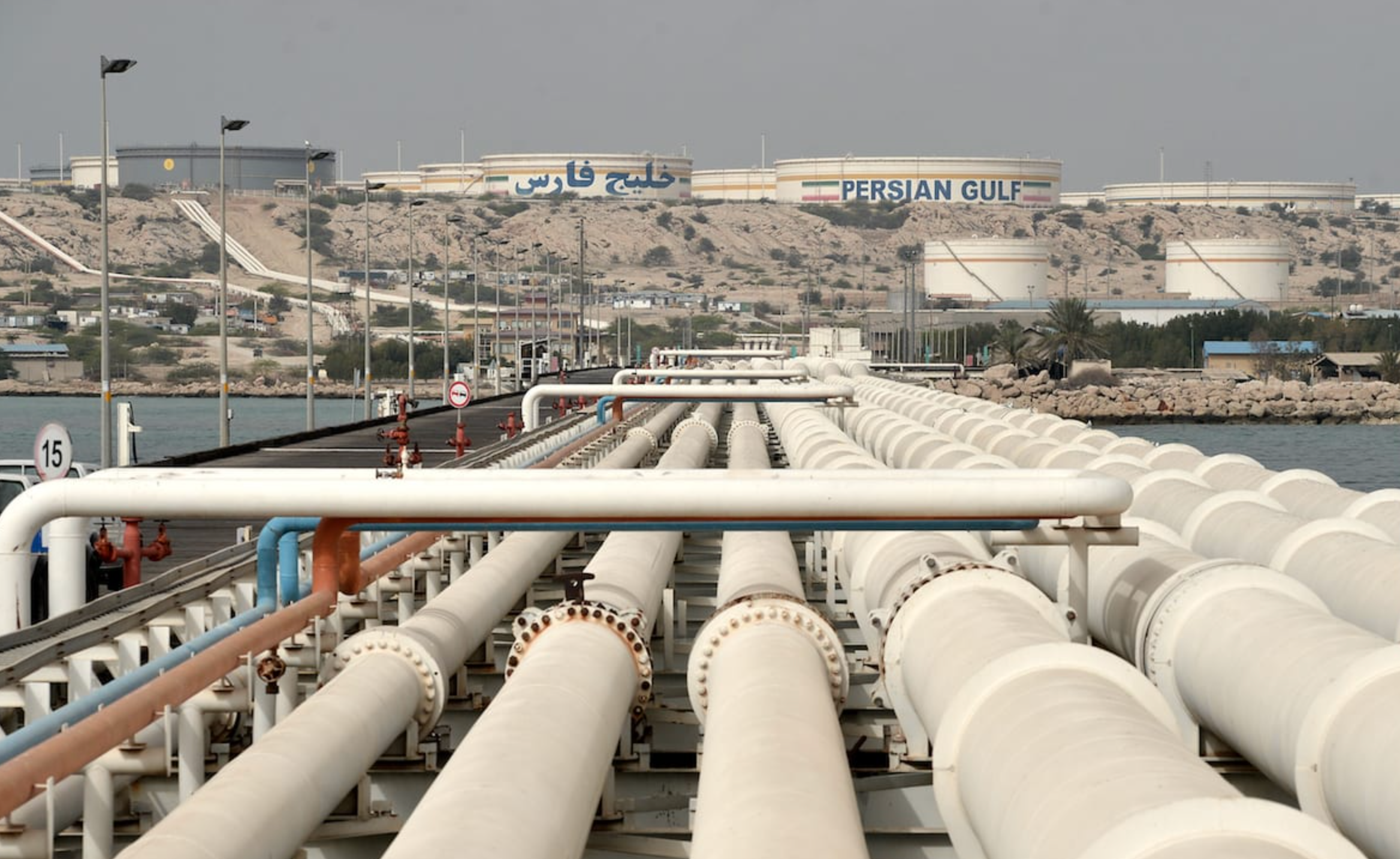
War drives up the cost of energy
You have likely noticed prices climbing at the pump recently. This financial pain is the direct result of a sharp energy shock. The trouble began about three weeks ago when Donald Trump launched military action against Iran in coordination with Israel. This campaign disrupted shipping routes significantly.
The conflict centered on the Strait of Hormuz. This narrow waterway is the most important oil choke point in the world. About 20 percent of the global oil supply passes through here every single day. The fighting choked off these shipments and caused panic among traders. The disruption helped push Brent crude prices up by more than 50 percent during March alone.
Investors fear that supply losses will get worse if the war drags on for months. The Trump administration realized they needed a solution to replace the missing barrels. They looked for ways to increase availability immediately. This led to the decision to release the stranded Iranian oil. Markets reacted quickly to the news. Prices dipped slightly after Trump mentioned he is considering winding down military efforts.
Breaking the grip on global supply
The Treasury Secretary revealed a deeper strategy behind this oil release. He pointed out that China plays a major role in the current market dynamic. Bessent explained that China has been buying sanctioned Iranian oil at very cheap rates and hoarding it. This limited the amount of oil available to other nations and kept market control in few hands.
The US government wants to break this cycle. The new license forces that hoarded oil out of the shadows and into the open market. This shift aims to lower prices for everyone rather than benefitting a single buyer like China. Bessent framed this as both an economic victory and a security measure.
Here is a breakdown of the supply relief plan:
| Feature | Detail |
|---|---|
| Total Target Volume | 440 Million Barrels |
| Immediate Release | 140 Million Barrels |
| Primary Goal | Undercut Iran’s leverage |
| Secondary Goal | Stabilize global fuel prices |
The administration is working to add a total of 440 million barrels to the global market. This massive influx of energy is designed to weaken Iran’s ability to use the Strait of Hormuz disruption as a weapon. Bessent stated clearly that the US will use its economic power to maximize energy flow to the world.
Impact on trade and future prices
Traders are now rushing to secure these cargoes before the April 19 deadline expires. The market is seeing increased activity as buyers try to redirect these supplies. This urgency is exactly what the Treasury Department wanted. The goal is to turn stagnant tankers into active supply sources within thirty days.
Safety remains a top priority during this transfer period. The license specifically permits safe anchoring and docking. This ensures that the transfer of volatile chemicals and crude oil happens without environmental accidents. The industry is watching closely to see how fast these barrels hit the refineries.
This move is a rare example of using a sanctioned enemy’s resources to stabilize a chaotic market. It shows that the government is willing to take unusual steps to protect the economy from war-driven inflation. If successful, this could provide relief to drivers and industries facing high costs.
This situation is developing rapidly and affects anyone who uses gas or electricity. We want to know what you think about this strategy. Do you believe releasing this oil will lower your bills, or is it just a temporary fix? Share this article with your friends on social media and let us know your thoughts in the comments.