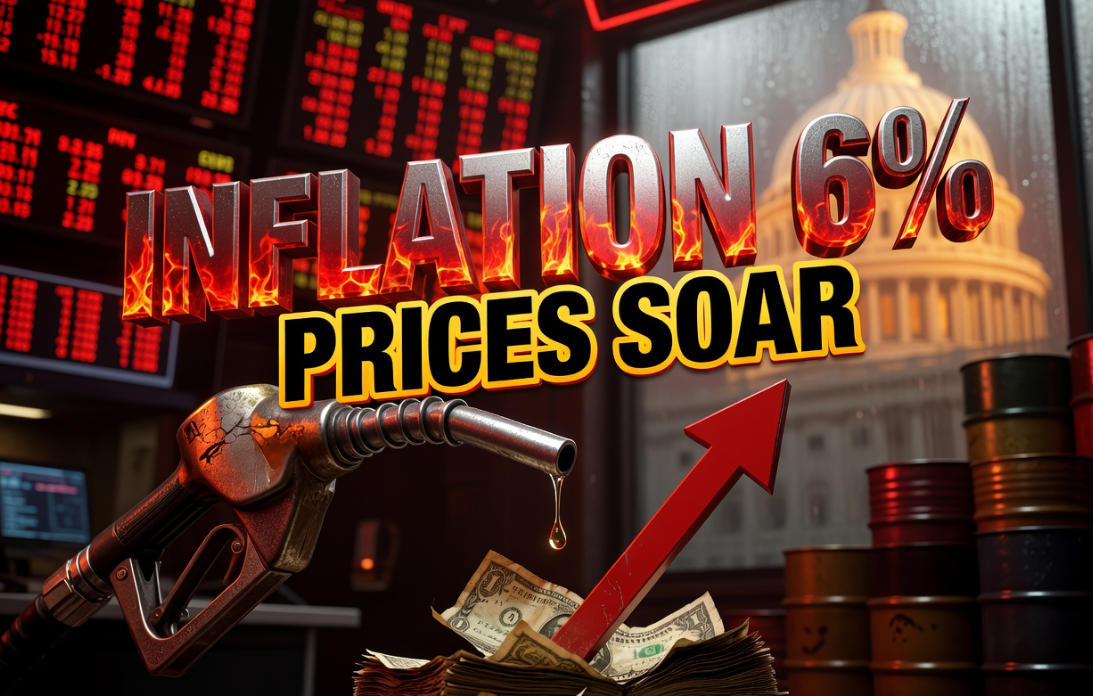
American wholesale prices roared back in April, climbing 6% from a year ago and marking the steepest annual jump since December 2022. The surge, fueled by a 10-week war in Iran that sent energy costs soaring, is setting the stage for fresh price hikes at checkout counters across the country. Consumers already squeezed by the cost of living may soon feel another painful pinch.
Producer Prices Post Biggest Monthly Spike in Four Years
The Labor Department reported Wednesday that its Producer Price Index, which measures inflation before goods reach store shelves, jumped 1.4% from March to April, the largest monthly increase since March 2022.
The reading blew past most Wall Street forecasts, which had penciled in a gain closer to 0.6%. Economists say the gap reflects how quickly the Iran conflict rewired global supply chains and pushed energy markets into overdrive.
Even after stripping out food and energy, the picture stays uncomfortable. Core producer prices rose 1% on the month and 5.2% from April 2025, signaling that the inflation pressure is no longer confined to the gas pump.
Energy Costs Lead the Surge as Iran War Drags On
The energy category did the heavy lifting in April. Wholesale energy prices climbed 7.8% from March alone and stand 22.7% higher than a year ago.
- Gasoline: up 15.6% month over month
- Diesel: up 12.6%, hitting trucking and shipping firms hard
- Jet fuel and home heating oil: sharp double-digit gains
- Natural gas: rising on tighter global supply routes
The 10-week war in Iran has rattled tanker traffic through the Strait of Hormuz, the chokepoint that handles roughly a fifth of the world’s oil supply. Shippers are paying more for insurance, rerouting cargo and passing those costs down the chain.
“When diesel jumps double digits in a single month, every loaf of bread, every box of cereal and every online order quietly gets more expensive within weeks.”
Companies Warn of Price Hikes Coming Soon
Producer prices are often called the early warning system for inflation. When wholesale costs rise, businesses usually try to protect their margins by raising shelf prices within 30 to 90 days.
Retailers, restaurants and manufacturers have already started signaling fresh increases in earnings calls this week. Several Fortune 500 firms told investors they can no longer absorb fuel and freight costs without lifting consumer prices.
| Category | March to April Change | Year over Year |
|---|---|---|
| Headline PPI | +1.4% | +6.0% |
| Core PPI (ex food and energy) | +1.0% | +5.2% |
| Energy | +7.8% | +22.7% |
| Gasoline | +15.6% | n/a |
| Diesel | +12.6% | n/a |
Small business owners are sounding the loudest alarm. Independent grocers, family restaurants and regional truckers have less room to negotiate fuel contracts and often raise prices faster than national chains.
For households, the timing could not be worse. Grocery bills, rent and insurance premiums have stayed stubbornly high all year, and credit card balances recently touched a record.
What This Means for the Fed and Your Wallet
The hot reading lands on the desk of Federal Reserve Chair Jerome Powell at a delicate moment. Markets had been pricing in a rate cut as early as June, but Wednesday’s data may force policymakers to wait.
A pause on rate cuts would keep mortgage rates, auto loans and credit card APRs near current highs for longer.
Bond yields ticked up after the release, and the dollar strengthened against the euro and yen. Oil futures held firm, with Brent crude trading above $95 a barrel in midday New York action.
For everyday Americans, financial advisers are offering a few practical moves to weather the squeeze:
- Lock in fixed rates on big purchases before lenders reprice
- Refill prescriptions and pantry staples before suppliers pass along costs
- Top up fuel tanks midweek when station prices typically dip
- Review streaming and subscription bundles, which often quietly raise fees during inflation spikes
Economists at major banks have begun trimming their growth forecasts for the second half of 2026. A few now warn that if energy prices stay elevated through summer, the US could brush against stagflation, the painful mix of weak growth and stubborn inflation last seen in the 1970s.
April’s wholesale inflation report is more than a number on a government spreadsheet. It is a signal that the war abroad is reaching kitchen tables at home, and millions of families are bracing for another round of tough choices at the checkout line. Share your thoughts in the comments below: how are rising prices changing the way you shop, save and spend this spring?