The Indian government made a bold move on Friday by cutting taxes on petrol and diesel as global oil prices surge. This decision comes at a critical time when conflict in the Middle East has pushed crude prices to levels that threaten the nation’s economy. While the tax cut is massive, many people wonder if they will actually see lower prices when they fill up their tanks.
Government Cuts Fuel Taxes to Zero for Diesel
In a move to protect the economy from a massive energy shock, the government reduced the excise duty on petrol and diesel by 10 Rupees per litre. This brings the tax on petrol down to just 3 Rupees per litre. For diesel, the excise duty has been wiped out entirely, bringing the tax rate to zero. This urgent action follows a period of intense pressure on global supply lines due to the ongoing US-Israel conflict with Iran.
The timing of this cut is vital because private fuel retailers recently started raising prices. Nayara Energy, which holds a significant portion of the private market in India, hiked its prices by over 5 Rupees for petrol just days ago. Without this tax intervention, state run companies would likely have been forced to follow suit to avoid massive financial losses.
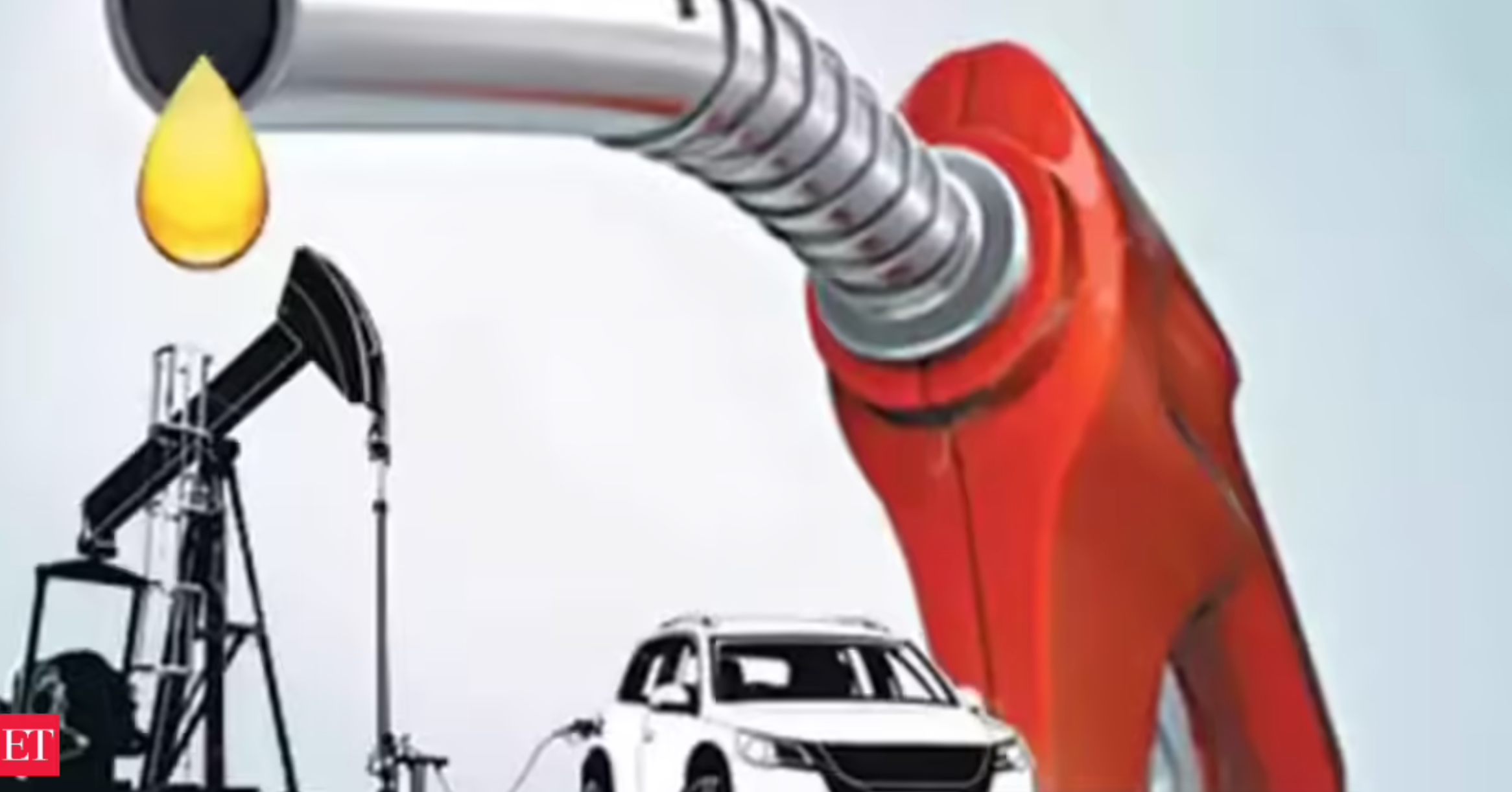
The primary goal of this tax cut is to provide a safety net for oil marketing companies rather than an immediate price drop for the public. By lowering the tax, the government is allowing these companies to absorb the high cost of imported crude oil. This keeps the retail prices steady instead of letting them jump to match the 110 Dollar per barrel global rate.
Why Your Local Fuel Pump Prices Stayed Steady
Despite the tax cut news, price boards at most gas stations across major Indian cities showed little to no movement on Friday. In New Delhi, petrol remains at 94.77 Rupees, while Mumbai sees prices at 103.54 Rupees. The reason for this stagnation is the massive gap between what oil companies pay for crude and what they earn at the pump.
Government data shows that even with the tax relief, oil companies are still facing losses of about 24 Rupees per litre on petrol and 30 Rupees per litre on diesel. The tax cut simply narrows this gap so the companies do not go broke. Petroleum Minister Hardeep Singh Puri noted that the government had a tough choice: let prices skyrocket for citizens or take a hit on tax revenue. They chose to protect the citizen from global volatility.
| City | Petrol Price (Per Litre) | Diesel Price (Per Litre) |
| New Delhi | ₹ 94.77 | ₹ 87.67 |
| Mumbai | ₹ 103.54 | ₹ 90.03 |
| Kolkata | ₹ 105.41 | ₹ 92.02 |
| Chennai | ₹ 101.23 | ₹ 92.81 |
| Bangalore | ₹ 102.96 | ₹ 90.99 |
Global Oil Conflict Hits the Strait of Hormuz
The root of the problem lies thousands of miles away in the Middle East. The conflict involving Iran has sparked fears of a total shutdown at the Strait of Hormuz. This narrow waterway is the most important oil passage in the world. India relies heavily on this route for its crude oil needs, and any blockage sends prices soaring instantly.
In just one month, international crude prices jumped from 70 Dollars to over 120 Dollars per barrel. This is a nearly 50 percent increase that has rocked markets worldwide. While other nations in North America and Europe have allowed retail prices to rise by 20 to 30 percent, India has used its tax policy as a shield.
India can generally handle oil price shocks up to 110 Dollars per barrel by adjusting taxes. However, analysts warn that if the price of crude stays above 125 Dollars for long, even these tax cuts won’t be enough. At that point, the burden might finally shift to the consumer, leading to a visible spike in the cost of living and transportation.
The Financial Impact on National Revenue
Removing the excise duty on diesel and slashing it on petrol will cost the government billions in lost revenue. To help balance the books, a new export tax has been placed on refineries that sell fuel to foreign nations. Since international prices are so high, refineries making huge profits from exports will now share that wealth with the national treasury.
This strategy ensures that the domestic market remains a priority. It prevents a situation where local refineries might prefer to sell all their fuel abroad for higher profits while leaving Indian pumps empty. The government is essentially using its own finances to keep the wheels of the Indian economy moving.
-
Export taxes will capture “windfall” profits from private refiners.
-
Government revenue takes a back seat to inflation control.
-
Oil companies get a much-needed financial cushion.
The struggle to keep fuel affordable is a major test for the country’s financial planning.
The current situation is a balancing act between global war and local peace. By cutting taxes to the bone, the government has stopped a massive price hike for now, but the future remains tied to the stability of the Middle East. It is a reminder of how connected our daily commute is to global events.
What do you think about the government’s move to cut taxes instead of letting prices rise? Do you think this is enough to keep inflation in check? Share your thoughts with us and post this story on social media with the trending hashtag #FuelPriceCheck to join the conversation.